The 4 Cs of Diamonds: Cut, Color, Clarity & Carat Explained

When you buy a diamond – whether as an engagement ring, stud earrings, or a pendant – you will encounter the 4 Cs: Cut, Color, Clarity, and Carat Weight. These four criteria together determine a diamond's quality and price. This guide explains each C in an understandable way and shows what you really need to look for when making a purchase.
C 1: Cut – The Most Important C
The cut is the only one of the 4 Cs that is determined by humans – all others are natural properties. A good cut brings out optimal sparkle; a poor cut makes even a high-quality stone appear dull.
GIA Cut Grades (from top to bottom):
- Excellent: Maximum light performance, the highest quality level
- Very Good: Hardly distinguishable from Excellent, 20–30% cheaper
- Good: Good sparkle, visible compromises – good value for money
- Fair / Poor: Loss of light due to proportions that are too shallow or too deep – avoid
Recommendation: At least Very Good for engagement rings. For everyday jewelry, Good is perfectly adequate.
Popular Diamond Cut Shapes
- Round (Brilliant): 58 facets, maximum sparkle – 75% of all diamonds worldwide
- Oval: Similarly sparkling to round, appears larger on the finger and elongates
- Cushion: Soft corners, romantic, lots of fire
- Emerald Cut: Less glitter, but maximum clarity and elegance
- Pear: Unique, elongates the finger, modern and daring
- Marquise: Boat shape, appears very large visually, very dramatic
C 2: Color – Less Color = More Value
The GIA color scale ranges from D (absolutely colorless) to Z (visibly yellowish). For most buyers, the distinction between D and G is practically impossible with the naked eye – but the price difference is significant.
- D–F (Colorless): Absolutely colorless – highest and most expensive category
- G–J (Near Colorless): Minimal color, not discernible to the untrained eye – best value for money
- K–M (Faint Yellow): Slightly yellowish visible – significantly cheaper, acceptable for yellow gold settings
Recommendation: G–H for white gold and platinum. K–L for yellow gold settings, as the warm metal conceals yellowish stones.
C 3: Clarity – Natural Inclusions
Natural diamonds have inclusions (internal characteristics) and blemishes (surface characteristics) – formed during their creation deep within the earth. The fewer inclusions, the higher the value.
- FL/IF (Flawless/Internally Flawless): No visible inclusions under 10x magnification – extremely rare, extremely expensive
- VVS1/VVS2: Very difficult to see under 10x – for experts and investors
- VS1/VS2: Inclusions visible under a loupe, not with the naked eye – the sweet spot for jewelry
- SI1/SI2: Inclusions sometimes visible with the naked eye, depending on position – great price advantage with good selection
- I1/I2/I3: Clearly visible inclusions – only for a very budget-conscious buyer
Recommendation: VS2 or SI1 for the best price-quality ratio. The human eye sees no difference from FL.
C 4: Carat (Carat Weight) – Size is Relative
1 carat = 0.2 grams. Larger diamonds are exponentially more expensive – not linearly. A 1.0-ct stone often costs 4–5× more than a 0.5-ct stone of the same quality, because large stones are rare.
Pro Tip: A 0.90-ct diamond is almost indistinguishable visually from a 1.0-ct – but costs 15–20% less. Buy just under the "magic sizes" (0.90 instead of 1.0; 0.45 instead of 0.5) for maximum savings with minimal visual compromise.
The Right Priority of the 4 Cs
If the budget is limited, the following order of priority applies: Cut first (never compromise on cut), then color (G–H is sufficient), then clarity (VS2–SI1 is good), then carat (better a little smaller than sacrificing quality).
Zirconia as a 4-C-Free Alternative
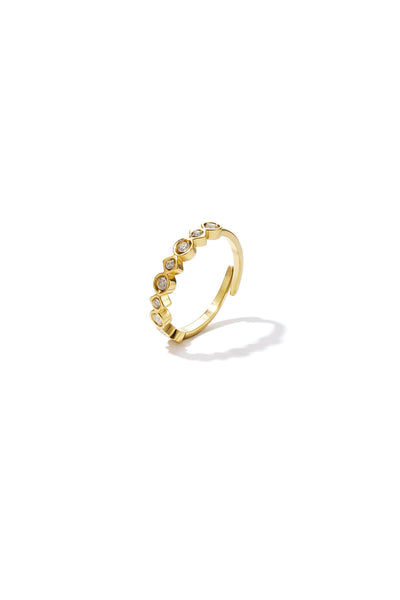
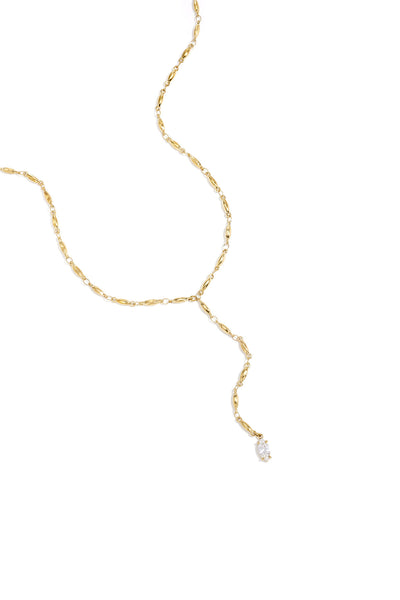
For fashion jewelry like at Corelune Jewellery, we use high-quality zirconia stones that are visually appealing – without the complexity and expense of real diamonds.
👉 Discover sparkling jewelry – brilliant for every day!