Buying a Wedding Ring: Metals, Shapes, and What Really Matters

The wedding ring is the most significant piece of jewelry most people will ever wear – every day, for life. It is not a trend item, but a symbol. This guide explains what really matters when buying a wedding ring: metals, shapes, widths, finishes, and the most common mistakes.
Which metal for the wedding ring?
Platinum
The most durable and purest metal look. Platinum never changes color, is hypoallergenic, and denser than gold (scratches displace material instead of wearing it away – the ring always remains complete). Most expensive option, but the longest lasting. Recommended for: people with very active hands, allergy sufferers, anyone who wants to "buy once, never replace."
Yellow Gold 585 / 750
The classic wedding ring choice – and the most timeless. Retains its color without any care, wears scratches with dignity (patina). 585 for everyday wearers, 750 for maximum gold depth and value. Recommended for: traditional couples, people who appreciate gold patina.
White Gold 585 / 750
The modern, cool look. Must be rhodium-plated every 1–3 years. Very popular for diamond wedding rings, because white makes diamonds shine brighter. Recommended for: lovers of the platinum look with a gold budget.
Rose Gold 585
Romantic and modern. Especially popular with women. Requires slightly more care (copper content). Recommended for: couples who want to combine romance and modernity.
Wedding rings in different metals
Increasingly, couples choose different metals – he yellow gold, she white gold or rose gold. Allowed, beautiful, modern.
Wedding Ring Shapes
Classic Band Ring
Even width, continuous. The most timeless and inconspicuous wedding ring. Goes with everything, never bothers, never ages.
Court Shape (D-Shape)
Slightly curved on the inside – wears very comfortably. The most comfortable shape, especially for people not used to wearing rings.
Flat Shape
Flat inside and out. Modern and angular. Appears stronger than the court shape.
Bombé / Round Ring
Curved inside and out. The "thickest" impression, although the weight is the same. Classically opulent.
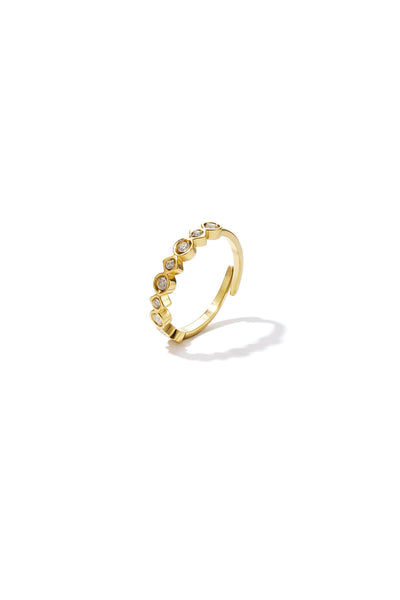
Ring with Stone Setting
Pavé setting, single stone or channel-set diamonds. Very popular for women's wedding rings. Note: Stones must be set very securely for daily wear.
Width: How wide should the wedding ring be?
- 2–3 mm: Very delicate, almost invisible – ideal for very slender fingers or as a second ring next to the engagement ring
- 4–5 mm: The classic wedding ring width for women – visible but discreet
- 6–8 mm: Classic men's width. Also beautiful for women with wider fingers
- Over 8 mm: Statement wedding ring – conscious decision for a wide look
Surface Finish
- Polished: High-gloss, reflective – classic and elegant. Shows scratches more, can always be re-polished
- Brushed (matte): Satin finish – modern, rather masculine look. Hides scratches better
- Hammered: Organic, handmade-looking finish – warm and individual
- Combination: Polished center stripe + brushed edges – very popular and elegant
Engraving in the Wedding Ring – The Tradition
Wedding ring engravings on the inside have been a tradition since the Middle Ages. Classic: wedding date + initials of both partners. Modern: a phrase, a coordinate, a shared word. Recommendation: Maximum 20 characters so that the engraving remains clearly legible.
Wedding Ring Inspiration at Corelune Jewellery
For the ring that lasts a lifetime – Corelune Jewellery offers wedding rings in classic and modern designs.
👉 Discover Rings – for the most important day and all the days after!