Earrings itch after three hours? This is what's really behind it
New earrings on, three hours later your earlobes itch, and you already know what's coming: redness, maybe even small blisters. You thought you just couldn't wear jewelry. But the problem is almost always due to a single substance – and you can solve it if you know what to look for. This guide explains what really happens with sensitive skin, why even "nickel-free" jewelry can sometimes cause irritation, and which materials you can trust blindly.
What Happens in Your Skin – The Honest Explanation
Nickel is the most common contact allergen in Europe. According to estimates, 10 to 15 percent of the German population reacts to nickel – that's potentially up to 12 million people. Women are three times more affected than men. The reason is simple: women wear earrings, necklaces, and bracelets earlier and more frequently – and the more often skin comes into contact with nickel, the more likely sensitization becomes.
Why Nickel Ends Up in Your Skin – The Actual Mechanism
The misconception: nickel doesn't harm through direct metal contact. The problem is nickel ions – tiny charged metal particles that are released from jewelry when sweat comes into contact with the metal surface. Sweat is slightly acidic, and this acid dissolves nickel ions from alloys that contain nickel. These ions penetrate the upper skin layer and trigger an immune response there.
This explains why earrings are particularly often affected: the earring stud touches the inside of the piercing directly, without an air cushion. Sweat can accumulate. The contact is intense and long. These are ideal conditions for nickel ion migration.
Once Reacted – Always Sensitive?
Unfortunately, yes. Nickel sensitization is not a cold that goes away. Once your immune system has reacted to nickel, this readiness to react usually remains for life. This doesn't mean that every future nickel contact immediately leads to a rash – the intensity of the reaction depends on the amount of nickel ions released. But the basic sensitization remains.
This is the most important reason why you should pay attention to skin-friendly materials from the start – especially with fresh piercings, where the skin barrier is already weakened.
The Problem with "Nickel-Free" on the Label
Here's the part most guides leave out.
What EU Law Actually Allows
Since 2009, the EU REACH Regulation has regulated how much nickel jewelry may release: no more than 0.5 micrograms of nickel per square centimeter per week for normal jewelry. For piercings that penetrate the skin, a stricter value of 0.2 µg/cm²/week applies.
That sounds safe. But this is a limit value, not a zero value. "Nickel-free" on an EU-compliant piece means: nickel release below this limit – not that no nickel is released at all. For highly sensitized individuals, even this small amount can be enough to trigger a reaction.
The Blind Spot: Import Jewelry from Outside the EU
Here lies the real risk in 2026: through platforms like Temu, AliExpress, or many Instagram dropshipping shops, fashion jewelry from non-EU countries ends up in German living rooms – often without material specifications, often with nickel contents that far exceed EU limits. The regulation only applies to jewelry manufactured within the EU or imported with proper certification. Holiday souvenirs or cheap imports from the internet play by different rules.
This explains why many women report that they "used to not be able to wear jewelry" and now suddenly can again – often the difference simply lies in the material standard of the new jewelry.
Which Materials Are Truly Reliable
316L Surgical Steel: Why It's the Standard for Sensitive Skin
316L is not simply "stainless steel." The crucial difference from inexpensive 304 steel lies in the alloy composition: 316L contains about 2 to 3 percent molybdenum. This element makes the surface so chemically stable that nickel ions are hardly released – even if the alloy technically still contains small amounts of nickel.
The same steel is used in medical technology for implants, surgical instruments, and pacemaker casings. Not because it's cheap, but because it's proven to be biocompatible – meaning the human body tolerates it without reacting. Next time you check a piece of jewelry for "316L" and not just "stainless steel": that's the difference between surgical steel and construction steel alloy.
Titanium: The Ultimate Option for Extreme Sensitivity
Titanium is the only metal that is tolerated even more reliably than 316L. It naturally contains no nickel, reacts practically not at all with body fluids, and is even used in bone surgery for implants. The disadvantage: titanium is more difficult to process and therefore more expensive. For people with very strong nickel reactions or for initial piercings, it is the superior choice.
PVD Coating: The Additional Barrier
When 316L is combined with a PVD coating (Physical Vapor Deposition), an additional protective layer is created between the metal and the skin. The gold layer is molecularly bonded to the steel in a vacuum – this is not an evaporated color, but a physical bond. This coating also prevents any direct contact between the skin and the base metal – even the tiny residual potential for nickel ion migration is further reduced.
What About Real Gold?
Solid 585 (14k) or 750 (18k) yellow gold is well tolerated by most people because it is typically alloyed nickel-free in Germany. Important: we're talking about yellow gold. White gold, on the other hand, contains nickel depending on the alloy (between 10 and 13 percent) – and can therefore be problematic, especially for sensitive skin. If you wear white gold and react: that's no coincidence.
The Home Test: How to Detect Nickel in Your Jewelry
This is the practical tip that hardly any other blog explains: there is actually a home test for nickel – the Dimethylglyoxime Test (DMG test). The test kit, often available as a "nickel rapid test" (drugstore, pharmacy, or online), contains a test solution that is applied to metal surfaces. If nickel is present, the solution turns pink to red.
How to use it: moisten a cotton swab or the included test strip with the solution, gently rub it over the metal surface of the jewelry. Pink discoloration = nickel detectable. No discoloration = no measurable nickel at that spot.
Important: the test shows the presence of nickel, not the exact amount. For EU-compliant pieces, the result can be positive even with small amounts. For jewelry from non-EU sources, however, a positive test is a clear warning sign.
What to Do if Your Skin Is Currently Reacting?
First measure: immediately remove the offending piece of jewelry and thoroughly wash the area with mild soap. Then: keep cool, no scratching (that worsens the skin barrier). Mild reactions subside without further intervention once contact is stopped.
For persistent symptoms – blisters, weeping areas, severe swelling – consult a doctor or dermatologist. A corticosteroid cream can make the reaction subside more quickly. If there is a serious suspicion of nickel allergy, this can be reliably confirmed by an epicutaneous test at the dermatologist.
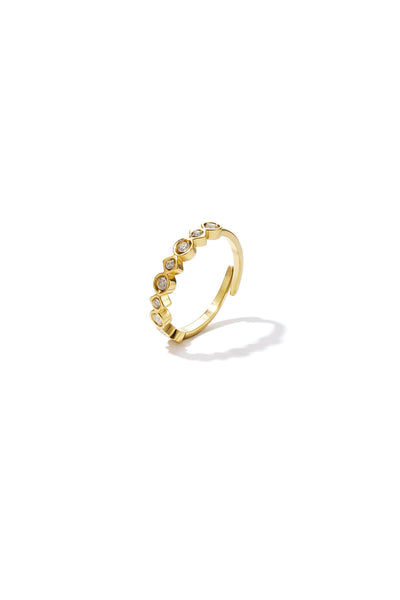
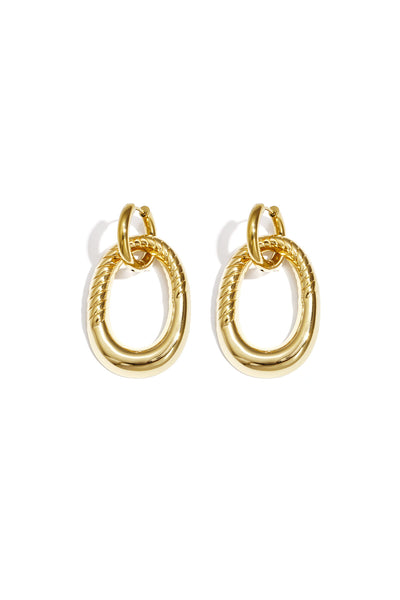
Long-term: the consequence is simple. No nickel on the skin. This is not a restriction – it's a material decision. And with earrings [CHECK URL BEFORE PUBLICATION] made of 316L and PVD coating, you start exactly where it matters.
Frequently Asked Questions
How do I know if I have a nickel allergy?
The clearest sign: redness, itching, or blisters exactly where jewelry touches the skin – typically earlobes, neck, wrist, or fingers. Symptoms usually appear 12 to 48 hours after contact, not immediately. For a reliable diagnosis: epicutaneous test at a dermatologist or allergist.
Can a nickel allergy resolve itself?
No, an existing sensitization usually remains for life. What can change is the intensity of the reaction – those who consistently avoid nickel will react less strongly in the long term. But the immune memory remains.
Is "nickel-free" on the label always safe?
For EU-compliant goods: largely yes, but not 100% for highly sensitized individuals. For imported jewelry from non-EU countries (Temu, AliExpress, many Instagram shops): EU limits do not automatically apply there. When in doubt: DMG test.
What jewelry is best for fresh ear piercings?
Titanium (first choice) or 316L stainless steel. Both are biocompatible and do not cause reactions when used properly. The EU prescribes stricter limits for initial piercings than for normal jewelry – 0.2 µg instead of 0.5 µg nickel per cm² per week. With 316L or titanium, you are well below both limits.
Can white gold cause a reaction?
Yes. White gold alloys typically contain 10 to 13 percent nickel. This is one of the most common reasons why women react to engagement rings, even though they wear "real gold." If white gold is not tolerated: yellow gold (nickel-free alloy) or platinum (nickel-free precious metal) are the alternatives.
Conclusion: Sensitive Skin Is Not Fate – It's a Material Question
If your skin reacts to jewelry, it's almost always due to nickel ions, not because you fundamentally can't wear jewelry. With 316L surgical steel and PVD coating, you're wearing materials that are also used in medical technology – because they are proven to be biocompatible. This is not a marketing promise; it's material science.
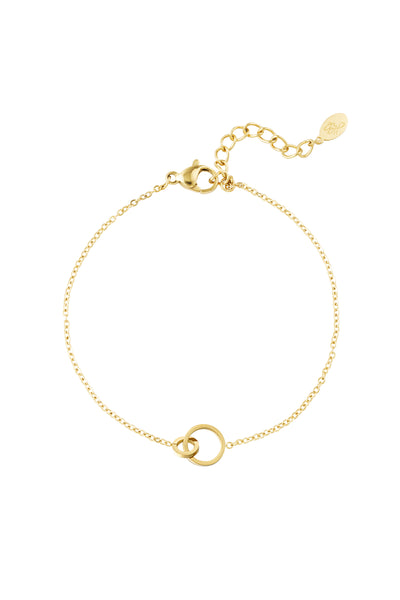
Discover necklaces [CHECK URL BEFORE PUBLICATION] and rings [CHECK URL BEFORE PUBLICATION] from Corelune – all made of 316L with 18k PVD, for skin that has stopped compromising.