Rose Gold vs. Yellow Gold: Which Metal Suits You?

Rose gold or yellow gold? Many people ask themselves this question when buying jewelry. Both are gold – but their appearance, material composition, and how they interact with the skin are fundamentally different. This guide will help you decide which gold truly suits you.
What makes the difference?
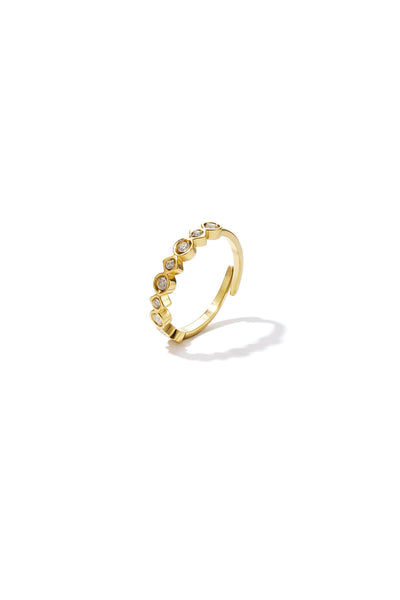
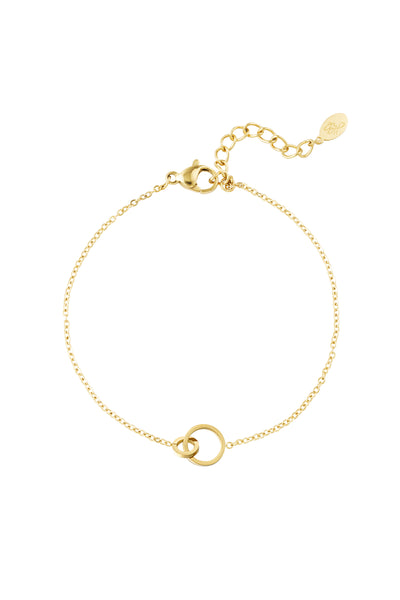
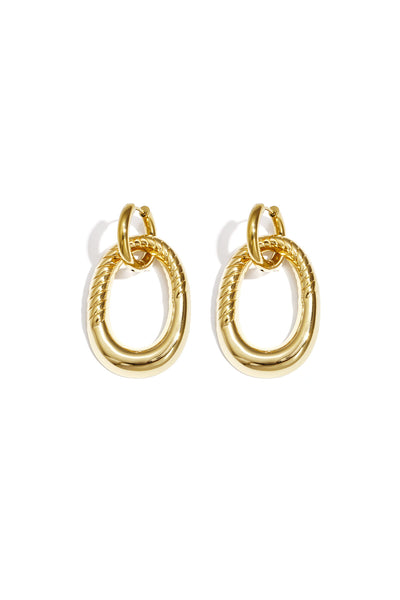
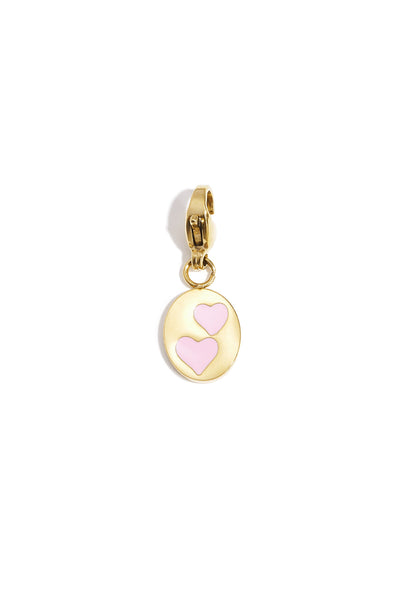
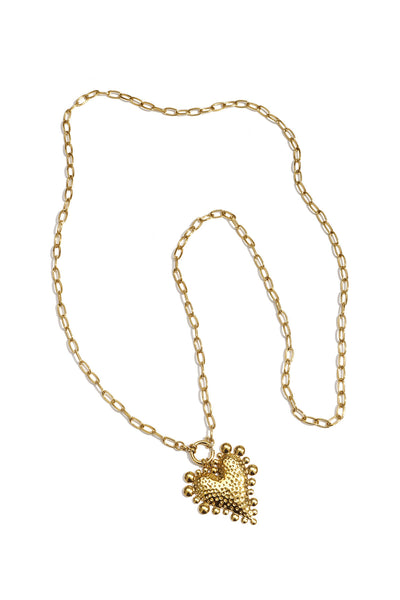
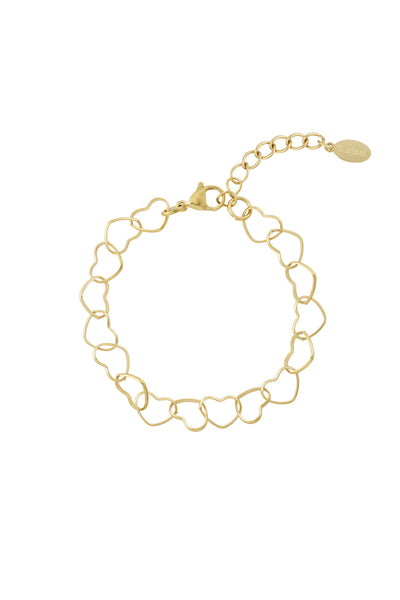
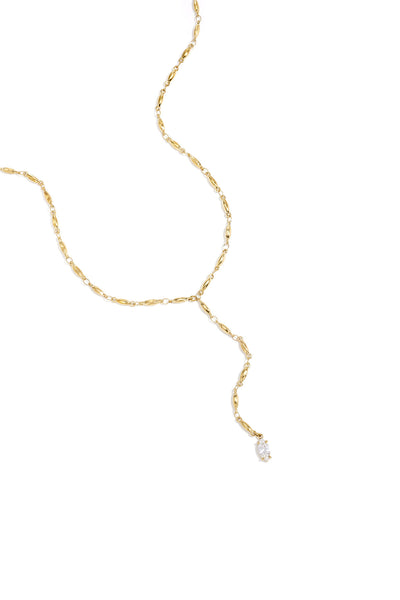
Yellow gold is gold in its purest jewelry form: alloyed with copper and silver for stability, it remains warm-golden. 585 yellow gold (14 carat) contains 58.5% pure gold, 41.5% copper and silver in variable proportions.
Rose gold is gold with a higher copper content. The copper gives the gold its characteristic pink hue. The more copper, the redder the gold. 585 rose gold contains 58.5% gold and approx. 33–40% copper. The copper makes rose gold slightly harder than yellow gold.
Skin tone and metal tips
Skin tone is the deciding factor:
Warm skin tone (olive, golden brown, warm beige)
Yellow gold is the most natural choice – both yellow tones harmonize and enhance each other. Rose gold also works well but has more contrast. For those who spend a lot of time in the sun: yellow gold on tanned skin is unbeatable.
Cool skin tone (pink-beige, porcelain, cool greenish-olive)
Rose gold flatters cooler skin tones with its pink hue that picks up the skin color. Yellow gold creates a stronger contrast – which can be beautiful, but appears more deliberate.
Neutral skin tone
The luckiest people when buying gold: both variants look good. Here, personal taste truly decides.
Style and Aesthetics
Yellow gold communicates: classic, timeless, valuable, traditional. It is the gold of wedding rings, heirlooms, centuries. Yellow gold is never out of fashion – it knows no trends.
Rose gold communicates: modern, feminine, romantic, contemporary. Rose gold only became popular at the beginning of the 20th century (in Russia as "Russian Gold") and experienced its worldwide revival from 2010 onwards. It is the more modern of the two metals.
Long-term considerations
- Yellow gold "ages elegantly" – it develops a patina, can be polished, and always remains recognizable as yellow gold.
- Rose gold can become slightly redder over time as copper oxidizes. A rose gold bracelet after 10 years might have a different red tone than when purchased. With high-quality 585 pieces, this effect is minimal.
- Combinability: Yellow gold combines more easily with one's existing jewelry if you don't know what gold color the other person has (for gifts). Rose gold usually requires a consistent rose gold approach.
Can you mix?
Yes – bicolor (yellow gold + rose gold in one piece) is contemporary and beautiful in 2027. If you're not sure which metal, choose a bicolor piece and have both. Or: consciously wear different gold tones as "mixed metals" – that's style, not a mistake.
Yellow gold and rose gold at Corelune Jewellery
Both gold tones in high-quality execution – at Corelune Jewellery you will find your gold.
👉 Discover gold jewelry – warm or rose, both beautiful!