Jewelry Size Guide: How to Properly Measure Bracelets, Necklaces, and Rings

The wrong size is the most common reason for jewelry returns in online shopping. A ring too small, a necklace too long, a bracelet too wide – that doesn't have to be. This Jewelry Size Guide explains how to correctly measure bracelets, necklaces, and rings and buy the right size online.
How to correctly determine bracelet sizes
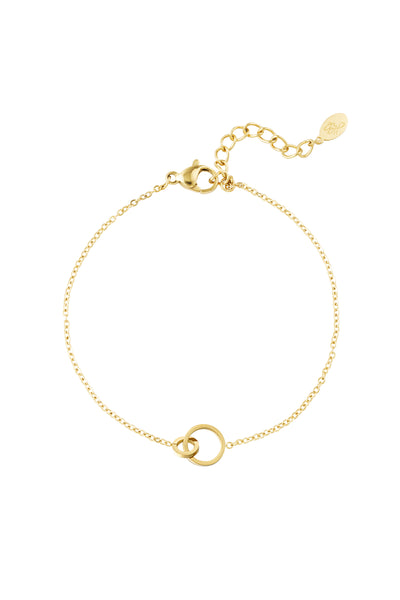
Measure your wrist
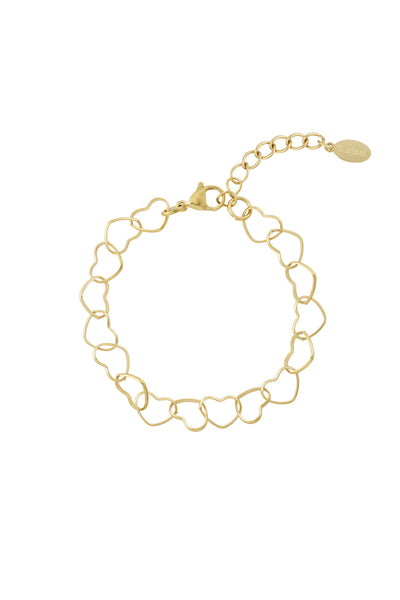
Use a soft tape measure or a strip of paper to measure your wrist circumference directly at the wrist bone. Note the measurement in centimeters.
Allowance for wearing comfort
- Tight fit (tennis/charm bracelet): Wrist circumference + 1–1.5 cm
- Normal fit (classic bracelet): + 2–2.5 cm
- Loose fit (boho, casual): + 3–4 cm
Standard bracelet sizes
- XS: 16 cm – very slender wrists (children/teens)
- S: 17 cm – slender women's wrists
- M: 18 cm – standard women's (most common)
- L: 19 cm – larger women's wrists, small men's
- XL: 20–21 cm – standard men's
Tip: Many bracelets have extension chains (2–3 cm) – this gives flexibility when buying.
Necklace lengths and their wearing position
- 35–38 cm: Very tight choker, sits directly at the Adam's apple
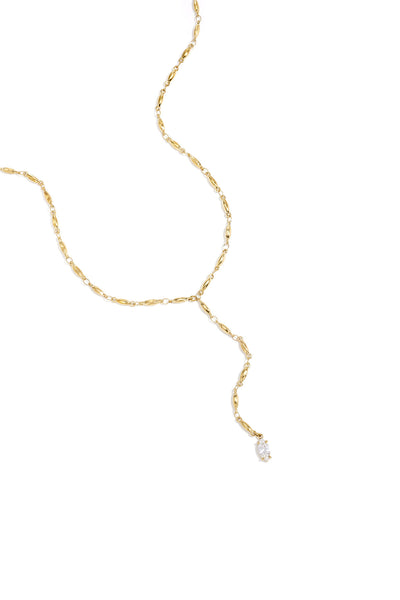
- 40–42 cm: Choker length, sits just above the collarbone – especially good for boat necks and wide necklines
- 45 cm: The most common wearing position for women – rests on the collarbone
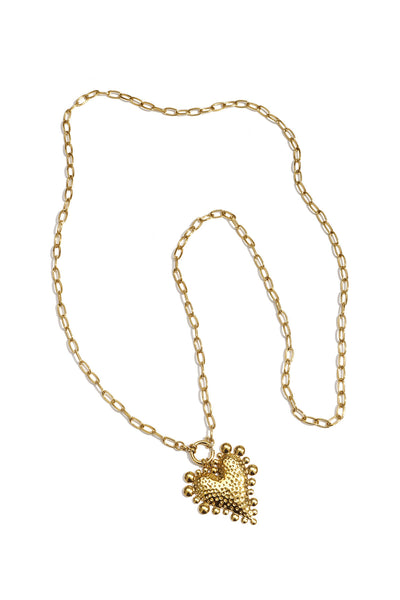
- 50 cm: Falls into the décolleté – ideal for pendants and layering as a second necklace
- 60 cm: Falls onto the chest – for statement necklaces or long solo necklaces
- 70–80 cm: Opera length, can be worn doubled
How do I measure my desired length? Wrap a string around your neck in the position where the necklace should sit. Measure this string – that's your desired length.
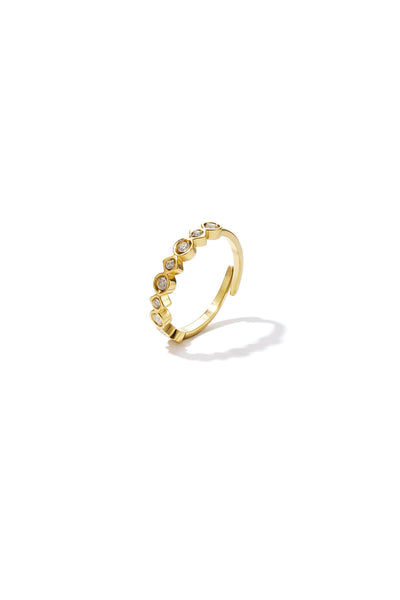
Determine ring sizes – detailed guide
Method 1: Paper strip
- Wrap a narrow strip of paper (5 mm wide, 10 cm long) around your finger
- Mark the point where the paper overlaps
- Measure the length in mm → that's your finger circumference
- Look up in the table
Circumference table (EU standard)
- Circumference 47–48 mm → Ring size 47/48 (very small)
- Circumference 50–51 mm → Ring size 50/51 (small women's finger)
- Circumference 52–53 mm → Ring size 52/53 (standard women's)
- Circumference 54–56 mm → Ring size 54/55/56 (medium size)
- Circumference 58–60 mm → Ring size 58/60 (standard men's)
- Circumference 62–64 mm → Ring size 62/64 (large men's ring)
When to measure?
Ideally in the evening and after light physical activity – fingers are slightly swollen then (their normal state). Do not measure when cold – cold causes fingers to shrink and the ring may not be able to be removed after warming up.
Common measurement errors
- Measuring too tightly: The tape measure/paper should not constrict – it should fit snugly but still comfortably
- Forgetting the knuckle joint: If the knuckle is wider than the base of the finger, measure both and choose a size that fits over the knuckle
- Wide rings: Wide rings (over 6 mm) fit tighter than narrow ones – choose half a size larger
Perfectly fitting sizes at Corelune Jewellery
With this guide, you'll avoid wrong purchases. At Corelune Jewellery, you'll find all measurements in our product descriptions.