Jewellery as an Investment in Comparison: Gold vs. Diamond vs. Gemstones

Anyone thinking of jewelry as an investment must distinguish between very different categories. Gold, diamonds, and colored gemstones have fundamentally different investment characteristics. This honest comparison will help you understand what truly constitutes an investment – and what does not.
Gold as an Investment Metal
Gold Bars vs. Gold Jewelry
Important distinction: Gold bars are a proven investment – their value directly follows the price of gold. Gold jewelry is more complex: when buying, you pay a 100–300% premium over the pure gold value (design, labor, dealer margin). When reselling, you usually only get the material value back.
When is gold jewelry still valuable?
- High carat (18k gold) and heavy (high weight = more gold content)
- Signatures of renowned goldsmiths or luxury brands (Tiffany, Cartier, Van Cleef) have their own brand value premium
- Antique jewelry with historical value
Diamonds as an Investment
The Truth About Diamond Investments
Diamonds are not a good investment in the classic sense for private investors. Reselling is difficult: dealers pay 20–50% of the purchase price. The market is illiquid – there is no trading venue like gold. Lab-grown diamonds have put significant pressure on natural diamond prices.
Exceptions
Large stones (3 ct+) of very high quality (D, IF) can remain stable in value over decades. Colored diamonds (pink, blue) are extremely rare and have historically increased in value. However, this category is irrelevant for the average buyer.
Colored Gemstones as an Investment
Which Stones Can Increase in Value?
- Burmese Rubies (untreated): Historically strong increase in value – Myanmar embargo limits supply
- Kashmir Sapphires: Source almost depleted – steady price increase
- Colombian Emeralds (untreated): Premium category with stable demand
- Paraíba Tourmaline: Extremely rare, prices exploding
What is Not an Investment
Synthetic stones, treated stones without documentation, small stones under 1 ct of average quality – no investment potential.
Vintage and Designer Jewelry
Signed pieces by René Lalique, Cartier, Bvlgari, Van Cleef & Arpels – these have their own investment logic. At auctions (Christie's, Sotheby's), they are traded for multiples of their material value. Prerequisites: original certificate, provenance documentation, impeccable condition.
The Honest Conclusion for Regular Buyers
For the vast majority of people, jewelry is not a financial investment – and that's okay. The return on investment of good jewelry is the daily joy, self-confidence, and memories it brings. That is a return no stock can provide. Buy jewelry for what it means to you – not for expectations of returns.
Fashion Jewellery as Conscious Consumption
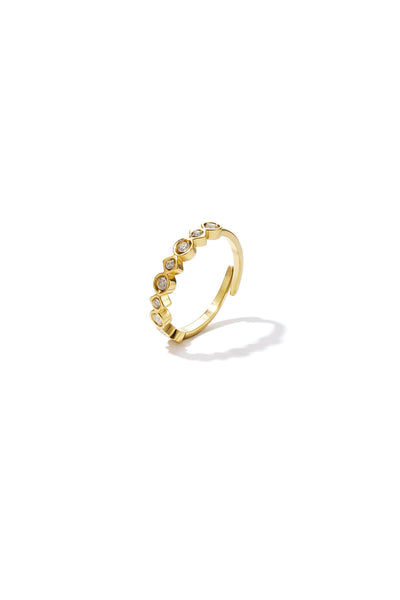
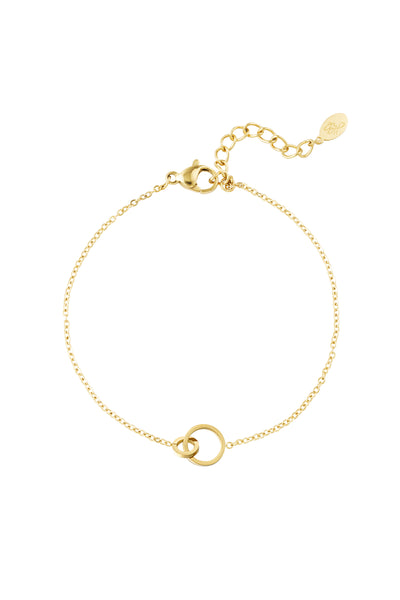
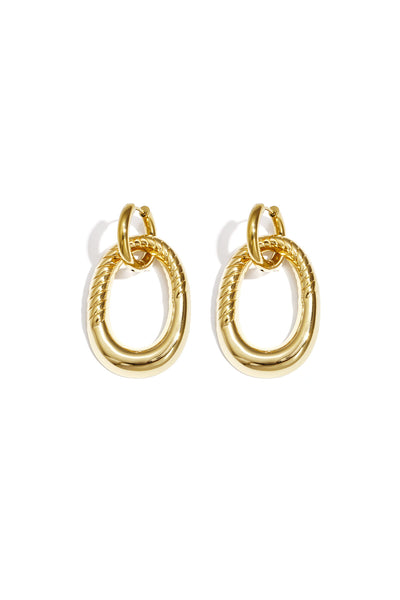
High-quality fashion jewelry like at Corelune Jewellery is not an investment – but it is honest consumption: beautiful, functional, personally significant.
👉 Discover Jewelry – invest in the person wearing it!