Jewelry Lexicon: Key Technical Terms Explained

When you're jewelry shopping, do you encounter terms like "Pavé," "Bezel Setting," "Cabochon," or "Rondelles" and wonder what they actually mean? This Jewelry Glossary explains the most important technical terms in an easy-to-understand way and helps you make more informed decisions when buying.
Setting Types
Prong Setting
Small metal claws hold the stone from above – the most common diamond setting. The stone is maximally visible as it is only held by the prongs. Advantage: Maximum light play. Disadvantage: Prongs can bend and stones can loosen.
Bezel Setting
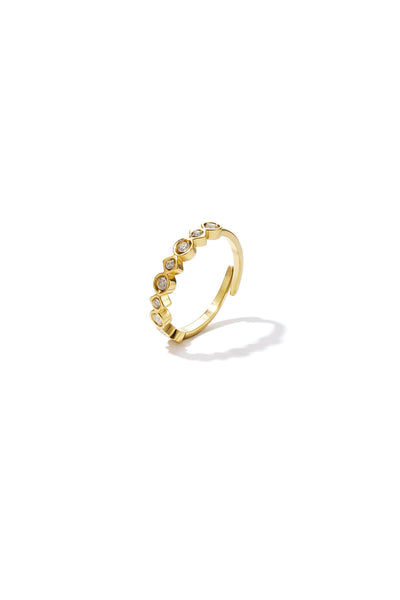
A metal rim completely encloses the stone. Very secure, modern look. Advantage: Stone is very well protected. Disadvantage: Slightly less light enters from the side.
Pavé Setting
Many small stones set closely together (pavé = French for "paved"). Creates a continuous glitter effect. Popular on bands, shoulders, and bracelets.
Channel Setting
Stones sit in a metal channel – no visible prongs between the stones. Very clean, robust, even. Often used for stone settings in wedding rings.
Bar Setting
Stones are held by metal bars – a short bar between each stone. Modern and airy looking.
Stone Cut Types
Round Brilliant
The round cut with 58 facets – maximum sparkle, developed for diamonds. The best-selling cut worldwide.
Cabochon
No facet cut – instead, smoothly polished, domed top. Used for stones with light effects: moonstone, opal, tiger's eye, labradorite. Emphasizes the internal play of light rather than surface sparkle.
Emerald Cut
Rectangular, with step facets instead of brilliant facets. Less fire, but maximum clarity. Very elegant and sophisticated.
Rose Cut
Domed top with triangular facets, flat bottom. Historical cut (17th century) – very popular in vintage-inspired jewelry.
Metal Techniques
Rhodium Plating
A thin layer of rhodium (platinum-group metal) is applied to white or yellow gold – making it mirror-bright white. White gold must be rhodium plated periodically.
PVD Coating
Physical Vapor Deposition – gold color is applied using a vacuum process. Particularly hard and durable compared to electrolytic gilding.
Filigree
Fine metal wires are worked into delicate, lace-like patterns. Very detailed, historically very elaborate. Common in vintage jewelry.
Chain Terms
TCW (Total Carat Weight)
The total carat weight of all stones in a single piece – not the weight of one individual stone. An important figure for tennis bracelets and necklaces with many small stones.
Extension Chain
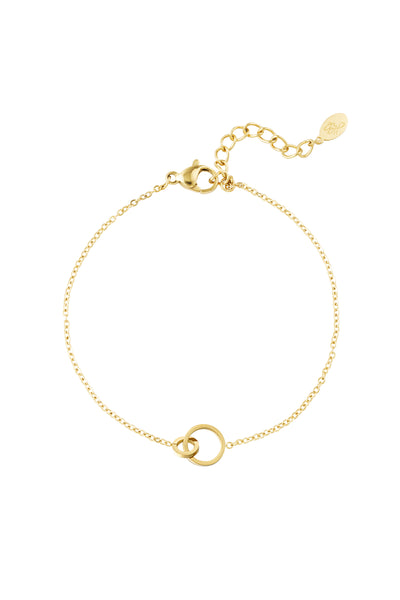
A short chain piece at the clasp – allows for different wearing lengths. Standard on good chains.
Spring Ring vs. Lobster Clasp
Spring Ring: Spring opening, simple. Lobster Clasp: More robust due to spring mechanism, more secure for heavier chains and pendants.
Shop with Knowledge at Corelune Jewellery
Knowing the technical terms allows you to shop more consciously – at Corelune Jewellery, all products are described with precise material specifications.