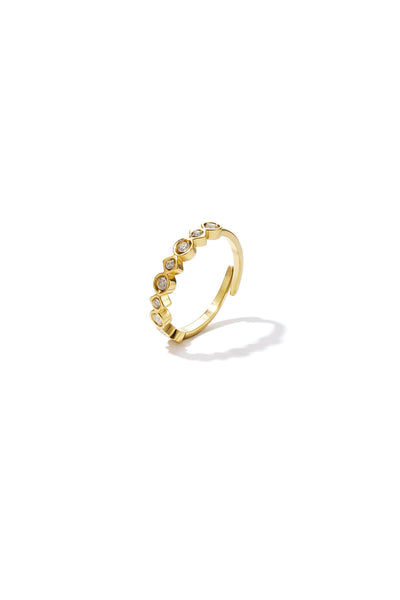
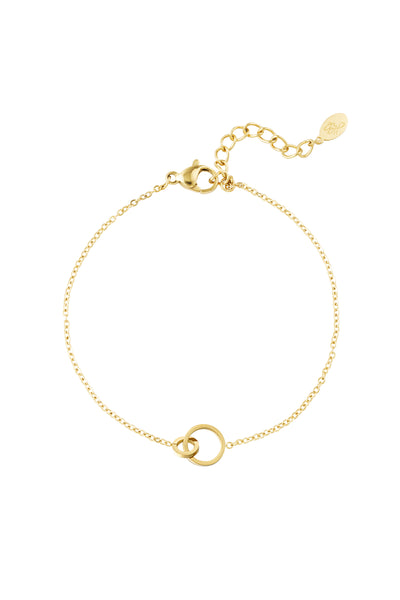
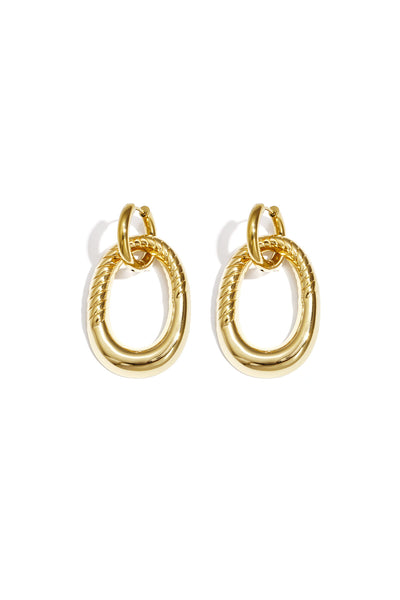
Sustainable and Ethical Jewelry: What to Look For When You Buy

Why Ethical Jewellery Matters
The jewellery industry has historically been associated with environmental and ethical challenges — from conflict diamonds to toxic mining practices. Today, a growing number of consumers are seeking out jewellery that reflects their values. At Corelune Jewellery, we are committed to transparency and responsible sourcing.
What Makes Jewellery Ethical?
Ethical jewellery means different things to different people, but it generally encompasses:
- Responsible gemstone sourcing: Ensuring stones are sourced from mines that meet fair labour and environmental standards.
- Conflict-free diamonds: All diamonds sourced in compliance with the Kimberley Process, which prevents conflict diamonds from entering the market.
- Fair wages and working conditions: Supporting manufacturers who pay fair wages and ensure safe working environments.
Recycled Precious Metals
Mining gold and silver has a significant environmental impact. Choosing jewellery made from recycled gold or silver dramatically reduces the demand for new mining. Recycled metals are chemically identical to newly mined metals and are an excellent sustainable choice.
Lab-Grown Diamonds
Lab-grown diamonds are real diamonds — chemically, physically, and optically identical to mined diamonds — but created in a controlled environment using far fewer resources. They are typically 30–50% less expensive than equivalent mined diamonds and are an increasingly popular choice for ethically-minded buyers.
Questions to Ask When Buying Jewellery
- Where do your gemstones and metals come from?
- Are your diamonds Kimberley Process certified?
- Do you use recycled metals or offer this as an option?
- Can you tell me about your manufacturing process and labour standards?
At Corelune Jewellery, we welcome these questions. We believe that beautiful jewellery and responsible practices should go hand in hand.