Buying Vintage Jewelry: What You Absolutely Need to Look Out For

Vintage jewelry is all the rage in 2026. Jewelry with history, unique designs, and a touch of the past – that's what sets vintage jewelry apart from modern mass-produced items. Each piece has its own story, its own character. But there are a few things to consider when buying old jewelry. This guide gives you all the important tips for buying vintage jewelry.
What is Vintage Jewelry?
In the world of jewelry, the following definitions apply:
- Vintage: Jewelry that is at least 20–30 years old – meaning from the 1990s or earlier. Still wearable and suitable for everyday use.
- Antique: Jewelry that is over 100 years old. Genuine antiques with historical value.
- Vintage-inspired (New Vintage): Modernly manufactured jewelry in the style of past eras – not true vintage, but visually similar.
The Most Important Jewelry Eras
Victorian Era (1837–1901)
Gold, dark stones (onyx, garnet), enamel, cameos, and elaborate engravings. Mourning jewelry, snake rings, and lockets are characteristic. Highly sought after by vintage enthusiasts.
Art Nouveau (1890–1915)
Organic, flowing forms inspired by nature and plants. Enamel work, moonstone, pearls, and unusual stones. Particularly beautiful, handcrafted pieces.
Art Deco (1920–1940)
Geometric shapes, black and white contrasts, diamonds, and sapphires. Very elegant and timeless – Art Deco jewelry remains very popular and valuable to this day.
Retro (1940–1960)
Strong gold tones, large-format pieces, rubies, and emeralds. Crisis-era aesthetics with a demand for glamour.
Mid-Century Modern (1950–1970)
Abstract forms, enamel, moonstone, and experimental designs. Very varied and creative.
Where to Buy Vintage Jewelry?
- Flea markets and second-hand markets: Inexpensive, but caution – authenticity and material are difficult to verify.
- Vintage boutiques: Curated selection, slightly more expensive, but includes advice.
- Online platforms: Etsy, eBay, and specialized vintage jewelry portals. Broadly diversified, but check the seller's reputation.
- Auction houses: For higher quality and more expensive pieces. Certificates of authenticity are often available.
- Jewelers with vintage departments: Often the safest option – professional inspection and advice.
Checking Authenticity – How to Recognize Real Vintage Jewelry
Look for Stamps and Hallmarks
Real jewelry has stamps: 925 for silver, 585 or 750 for gold. Hallmarks are country-specific – British pieces have a Lion Passant, American pieces often have "14K" or "18K."
Recognizing Patina
Real vintage silver has a natural patina – an uneven, slightly weathered surface. Artificially aged fakes often have a more uniform, applied look.
Examine the Craftsmanship
Older jewelry pieces were more handcrafted – the solder joints, settings, and links often show slight irregularities. Machine-perfect surfaces can indicate fakes.
Weight
Real gold and silver are heavier than fake materials. A piece that feels suspiciously light should be examined more closely.
Assessing Condition
When buying vintage jewelry, the condition is crucial for the price and wearability:
- Excellent / Near Mint: Hardly any signs of wear, full luster.
- Very Good: Minor signs of wear, but all elements intact.
- Good: More noticeable scratches or wear, but functional.
- Fair / For Repair: Needs professional restoration.
Restoring and Refurbishing Vintage Jewelry
Many vintage pieces can be professionally refurbished: polishing, re-gilding, replacing stones, or repairing clasps. A good jeweler can turn a "worn" piece back into a brilliantly beautiful piece of jewelry.
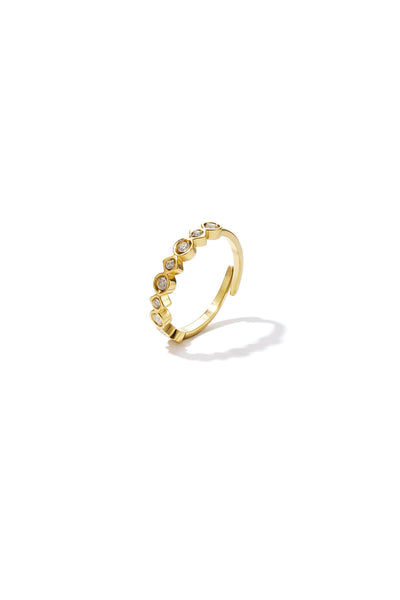
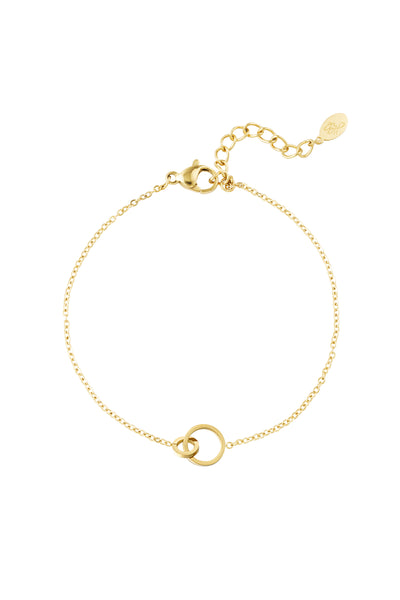
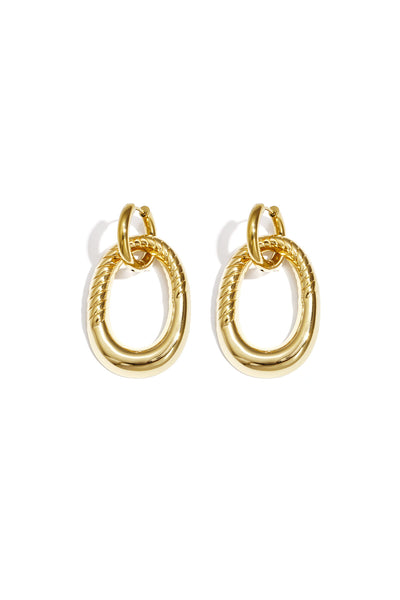
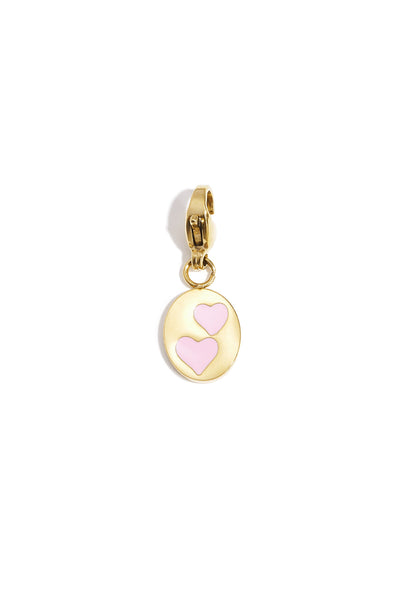
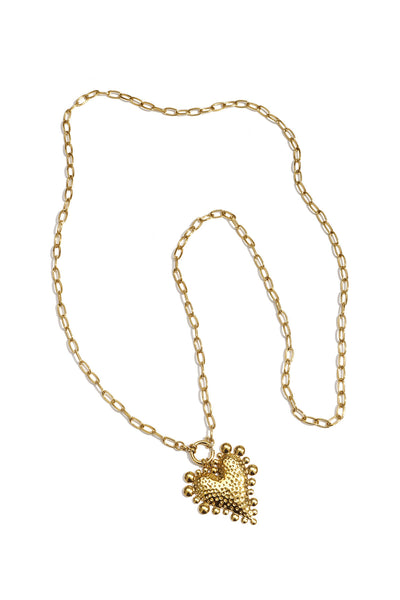
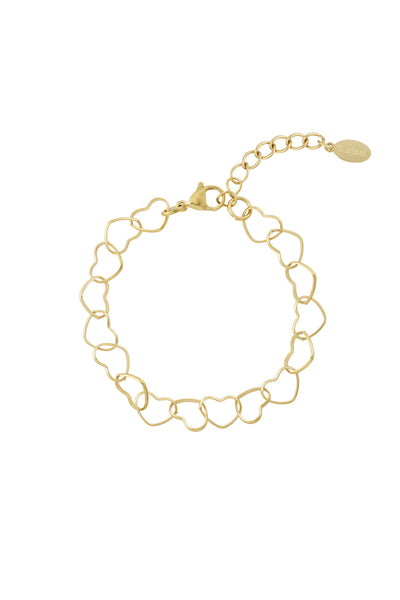
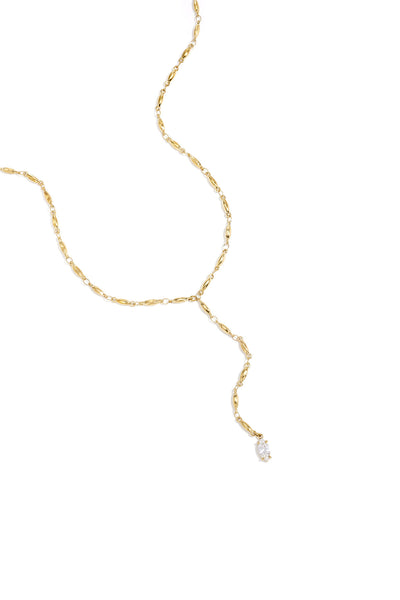
The Vintage Look at Corelune Jewellery
Do you love vintage charm but don't want to forgo the reliability of new goods? At Corelune Jewellery, you'll find vintage-inspired jewelry with modern quality standards. Discover our collection now!