Waterproof jewelry in summer: What really holds up – and what doesn't
Just before jumping into the ocean, you look at your gold chain and wonder: take it off or leave it on? The answer doesn't depend on how much the jewelry cost – but on what material it's made of. Most online guides will leave you hanging precisely on this point. Not this one. You'll get an honest, situation-based assessment: what happens in the shower, what the pool does to your jewelry, and why the ocean is the toughest test.
Not All Water Is Created Equal – The Three Scenarios
Before we talk about materials, we need to talk about water. Because the difference between a quick shower and an afternoon in the ocean is enormous for your jewelry.
Showering: The Most Harmless Scenario
Tap water contains chlorine for disinfection – but in such low concentrations that short exposure is not a serious problem for robust materials. The real risk when showering? Shampoo, conditioner, and especially exfoliating products with abrasives. Over time, these can wear down even good gold plating. If you wear jewelry while showering, rinse it briefly with clear water afterward and pat it dry.
Pool: Chlorine as an Underestimated Problem
Pool water typically contains 0.5 to 1.5 mg of chlorine per liter. Chlorine is a strong oxidizing agent – it attacks alloy metals: copper, zinc, silver. For brass-based jewelry, the pool is the greatest enemy. The gold plating initially protects the base metal, but at solder joints, edges, and small damages, chlorine reaches the base metal – and works its way in from there. A gold-plated brass bracelet might survive three pool visits before the edges turn greenish.
Ocean: The Toughest Test
Seawater contains about 3.5 percent sodium chloride, and chloride ions are particularly aggressive towards metals. They penetrate oxide layers that form protectively on metal surfaces and can locally attack even robust alloys. Add to that sand – quartz particles with a Mohs hardness of 7, which leave microscopic scratches on any surface. And the combination with sunscreen makes the whole thing even nastier. More on that in a moment.
What Materials Truly Hold Up
316L Stainless Steel: The Workhorse of Jewelry Materials
316L is no ordinary steel grade. The crucial difference from the cheaper 304 steel found in many cheap jewelry pieces: 316L contains 2 to 3 percent molybdenum. This element not only makes the steel more chloride-resistant but also protects against pitting corrosion – exactly the type of damage caused by saltwater. 304 stainless steel can actually rust in seawater. 316L cannot.
316L naturally forms a protective chromium oxide layer on the surface – and what makes this layer special is that it regenerates itself in case of minor damage. That's why the same alloy is also used in medical technology for implants. This is not marketing; this is documented metallurgy.
PVD Coating: Why It Differs from Normal Gold Plating
PVD stands for Physical Vapor Deposition – a process that sounds complicated but is crucial: The gold (usually 18 karat) is evaporated in a vacuum and projected onto the steel surface as ions. The gold atoms bond with the base material at a molecular level – not through chemical bonding like with galvanic gold plating, but through physical anchoring.
The result: PVD coatings are typically 2 to 5 micrometers thick and many times harder than conventional galvanic gold plating, which is 0.5 to 1 micrometer. This difference is significant in practice – not just in numbers, but in years instead of months before the coating wears off.
What Definitely Doesn't Work
Brass and copper – the basis of much inexpensive fashion jewelry – react with sweat acids to form green copper oxide. This is the cause of the green finger, not water alone. In chlorinated and saltwater, this process accelerates enormously. Gold-plated silver holds up temporarily but tarnishes due to sulfur compounds and quickly loses its shine in the pool. If you want jewelry that will keep up this summer: These materials are not the right choice for water activities.
The Enemy Almost No One Mentions: Sunscreen, Sweat, and Sand
Here lies the real gap in most "waterproof jewelry" guides. They talk about water – but the triple threat is a different combination.
Sunscreen contains UV filters, oils, and chemical compounds that deposit on metal surfaces. When they dry, they dull the shine and can mattify surfaces in the long term. Sunscreens with zinc oxide, in particular, can react with certain metal surfaces. The order makes all the difference: apply sunscreen, let it absorb, then put on your jewelry.
Sweat contains salts and amino acids. The mild acids react with copper-containing alloys – this is the actual reason for green skin, not water. And on a hot summer day, your body produces enough sweat to seriously affect inexpensive jewelry.
Sand is mineralogically quartz – Mohs hardness 7. It leaves microscopic abrasive marks on any surface. 316L withstands this well, but no surface is completely immune to continuous abrasion.
Honest Assessment: What "Waterproof" Realistically Means
Waterproof jewelry made of 316L + PVD can withstand significantly more than gold-plated brass or gold-plated silver. But "waterproof" does not mean "indestructible." Anyone who spends hours daily in saltwater and never rinses their jewelry will see traces over the season. Anyone who briefly rinses their jewelry after swimming and lets sunscreen absorb before putting it on – that person will have a chain that lasts several summers.
That's the difference that material and care combined make.
Care Tips: How to Make Your Summer Jewelry Truly Last
After Pool and Ocean: Rinse under clear tap water. This removes chloride and salt crystals that would dry on the surface and start working from there. This takes 20 seconds and makes the biggest difference.
Sunscreen: Apply first, let it absorb, then put on your jewelry. Sounds simple, but most people forget it.
Drying: Gently pat dry with a soft cloth, do not rub. Rubbing leaves microscopic scratches.
Storage: Do not throw it in a common dish with other jewelry pieces. Mutual abrasion is the most common cause of scratches on vacation.
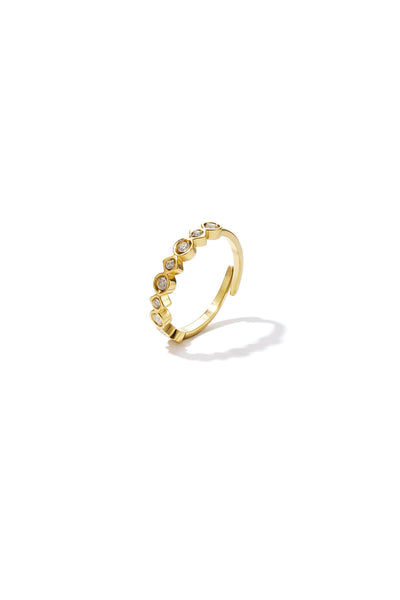
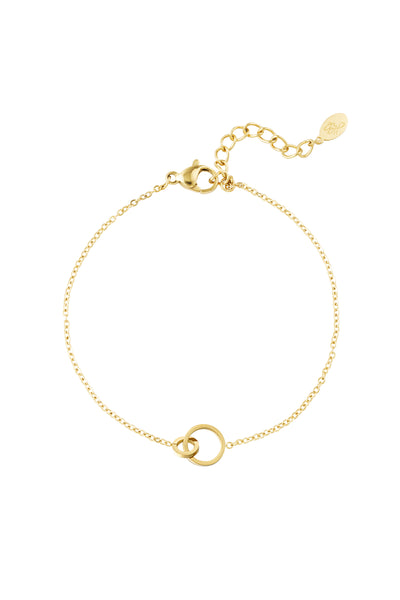
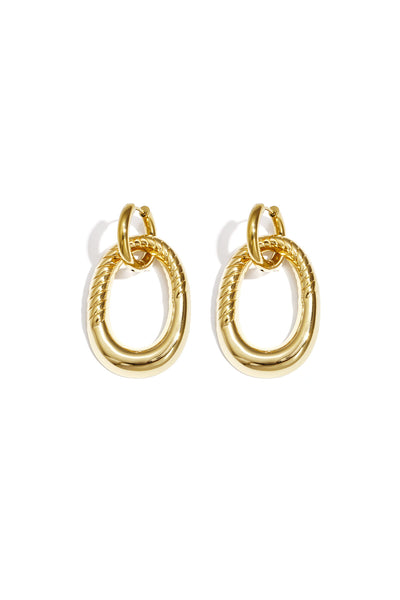
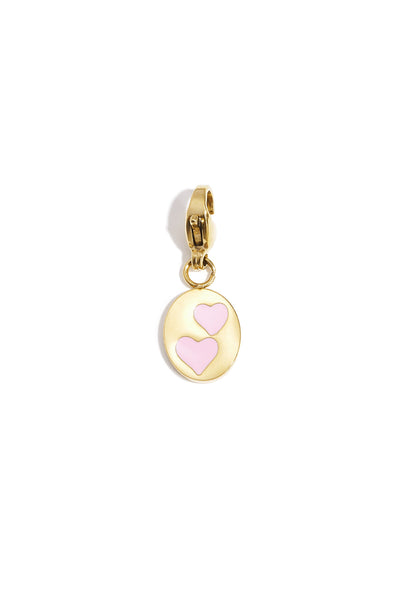
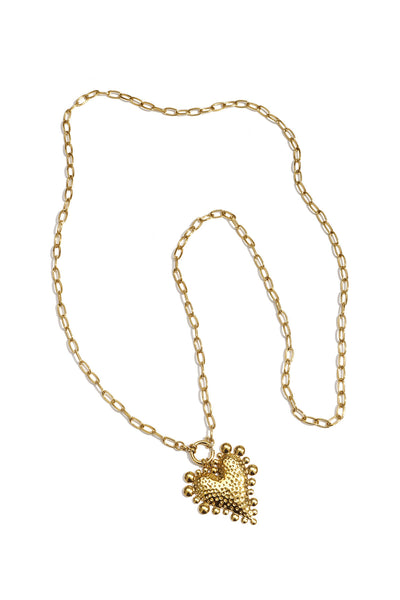
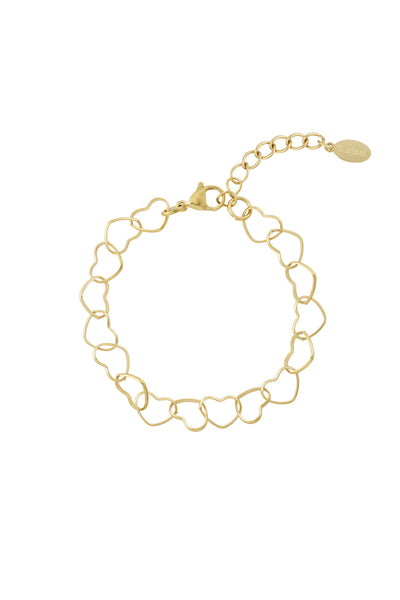
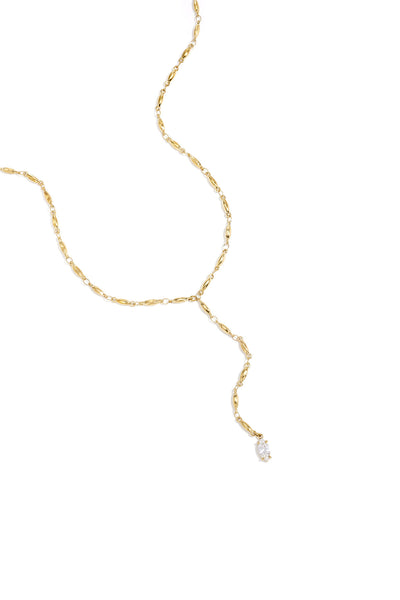
All necklaces [CHECK URL BEFORE PUBLICATION] and bracelets [CHECK URL BEFORE PUBLICATION] from Corelune are made of 316L stainless steel with 18k PVD coating – designed for precisely these everyday situations. Also check out the earring collection [CHECK URL BEFORE PUBLICATION] if you want to complete your look.
Frequently Asked Questions
Can I wear 316L stainless steel jewelry in the ocean?
Yes – 316L is resistant to chloride and saltwater. The difference from cheaper 304 steel is the molybdenum content, which prevents pitting corrosion. After swimming, rinse briefly with clear water and pat dry to remove salt crystals.
How long does PVD gold plating really last?
With normal care and no extreme continuous use in saltwater: several years. PVD coatings are 2 to 5 micrometers thick and significantly harder than galvanic gold plating (0.5 to 1 micrometer). The honest average: Much longer than normal gold plating – but PVD is not indestructible either. Rinsing after swimming and letting sunscreen absorb significantly extends its lifespan.
What happens to gold-plated brass in chlorinated water?
The brass – a copper-zinc alloy – reacts with chlorine and sweat to form copper oxide. This is the green discoloration on skin and jewelry. The gold plating slows down this process but only protects the base metal as long as it is intact. An afternoon in the pool can be enough to see initial damage at edges and solder joints.
Do I have to clean my jewelry after every swim?
Not clean in the elaborate sense – but rinse briefly under clear tap water: yes, absolutely. Chloride crystals that dry on the surface continue their corrosive action. 20 seconds of rinsing is the most effective care measure you can take for your jewelry.
Can I swim with real gold jewelry?
Briefly, yes. Solid 585 or 750 gold is chemically stable and does not tarnish. But chlorine can attack the copper and silver content in the alloy – especially at solder joints. No problem for infrequent use. Anyone who swims daily should rather take off valuable real gold pieces or at least rinse them afterward.
Conclusion
Waterproof jewelry is not an empty promise – if it's made of 316L stainless steel with PVD coating. The material withstands showers, pools, and the ocean, as long as you remember one simple rule: rinse it off after swimming. What remains is jewelry that will make it through the summer without looking like it's three years old after three weeks on the beach.