Gold or stainless steel for everyday wear: which is the better choice?

Gold or stainless steel for everyday wear: which is the better choice? In short: For daily use, stainless steel scores points with its durability, water resistance, and more affordable price; gold impresses with its timelessness and tradition, but is more delicate and expensive. If you want to wear jewelry around the clock, solid stainless steel is usually the easier choice. For context: the price range at Corelune is between €15 and €45, with free shipping from €59.
As of September 2026. By Phil, Corelune Jewellery, Düsseldorf.
What is the difference between gold and stainless steel?
| Criterion | Gold | Stainless steel |
|---|---|---|
| Suitability for everyday wear | More delicate (soft metal) | Very stable |
| Water & sports | Better to take off | Water-resistant, can be worn |
| Tarnishing | Solid gold: no; gold-plated: yes | Tarnish-resistant |
| Price | Higher | More affordable |
| Timelessness | High | Practical value rather than investment |
When which material makes sense
- Stainless steel: for anyone who wants to wear jewelry every day without worry, without taking it off when showering or exercising.
- Gold: for special pieces with sentimental or investment value.
A broader comparison of materials is offered in Stainless steel vs. silver vs. gold jewelry comparison; for durability, Silver or gold. Which lasts longer?.
This is how it looks in the range: Ring Blume Rosa in stainless steel and Fish Gold earrings in stainless steel for holidays and the beach. You can find more water-resistant pieces in the water-resistant pieces category.
How does jewelry hold up in water?
Everyday life places fewer demands than most people assume. The vast majority of water contact is tap water with soap, and with stainless steel, simply nothing happens.
Visible cloudiness after showering is almost always soap residue, not a change in the material. Rinsing it off and drying it with a soft cloth restores the shine.
In sports, it is less the water that is the problem than mechanical pressure. Rings on the barbell and chains under the backpack strap take more damage than any shower.
Anyone who wants maximum peace of mind should choose solid pieces without glued elements. This is the one construction method where water permanently plays no role.
What does water-resistant mean in practice?
For stainless steel jewelry, water-resistant means: The metal itself does not corrode and does not discolor through contact with water. Washing hands, rain, and showering are therefore not a problem, and the jewelry does not have to be taken off every time.
The limitations are not with the metal, but with everything that is attached to it. Glued stones, enamel, and pearls react to prolonged contact with water, and chlorine attacks glued joints over time.
Saltwater is less of a problem for the steel than for the residues. Salt crystallizes in chain links and clasps and acts like fine sandpaper there. A quick rinse with fresh water after bathing solves this.
Sauna and whirlpool are the borderline cases. Heat stresses glued joints more than cold water, and the combination of heat and chemicals is the harshest situation for any piece of jewelry.
What care do stainless steel pieces really need?
Anyone who wears stainless steel pieces every day accumulates skin oils and residue from skincare products, and that is exactly what makes surfaces dull. A soft cloth after wearing and a bath in warm soapy water once a month cover the entire need. That is exactly what makes stainless steel so uncomplicated in everyday life.
What usually goes wrong when buying stainless steel pieces?
Between what impresses in the product photo and what you put on in the morning, there are often worlds of difference. Buying too cheap usually means glued instead of set; buying too expensive often means paying for a name instead of substance. What passes this test rarely ends up in the drawer.
How do you combine stainless steel pieces in everyday life?
Combining works through two rules: a common metal color and a clear size difference. With solid-colored tops, a single statement piece stands out best. This allows you to create a whole range of combinations from just a few pieces.
How do you recognize quality in stainless steel pieces?
The workmanship can be checked without you having to know anything about alloys or manufacturing processes. Pay attention to evenly shaped components, because deviations indicate areas that will give way first under stress. What survives this check usually also withstands daily use.
In what situations do you prefer to take off stainless steel pieces?
The question is rarely whether the material can withstand water, but whether tension and friction are involved. Chlorine and saltwater are not critical for stainless steel, but they are for coatings and glued stones. The rule of thumb is: water yes, tension no.
How much do good stainless steel pieces cost and what do you get for it?
The price of stainless steel pieces is made up of material, manufacturing effort, and a brand premium, and you only notice the first two points when wearing it. Surcharges for elaborate clasps pay off; surcharges for packaging and a name do not. In the end, the fit to your own style counts more than any price level.
Overview of material, dimensions, and prices
Showering, swimming, and sports do nothing to the stainless steel; it does not tarnish. For reference, here are the values from the Corelune range.
| Feature | Value |
|---|---|
| Material | Stainless steel (RVS 304 or RVS 316), nickel-free, water-resistant, and tarnish-resistant |
| Gold plating | 14 karat, 2.5 micrometers on stainless steel |
| Chain lengths | Choker 32 cm to 36 cm, standard 37 cm to 45 cm, long from 46 cm |
| Ring sizes | 16 mm to 19 mm inner diameter, many adjustable |
| Prices | most pieces between €30 and €36, no piece over €65 |
| Multiple pieces | 20% from 2 pieces, 25% from 3, 30% from 4, 35% from 5 |
| Shipping | free from €59, 2 to 5 business days to Germany, 14-day returns |
Frequently Asked Questions
Is stainless steel better than gold?
For stable everyday wear, often yes, because it is water-resistant and tarnish-resistant. Gold, on the other hand, retains its material value. It depends on the purpose.
Does stainless steel tarnish unlike gold?
Solid stainless steel does not tarnish. Solid gold also does not tarnish, but gold-plated pieces do over time.
Corelune ships free from €59 and accepts returns within 14 days.
How do I recognize if a piece is really water-resistant?
Solid pieces without glued elements are reliably so. With stones and enamel, the workmanship decides, not the base material.
Can I wear jewelry while swimming?
Yes, stainless steel withstands chlorine. Glued joints and stones age faster as a result, so rinse it off afterwards.
About the author
Phil runs Corelune Jewellery in Düsseldorf and has been working daily with stainless steel jewelry since 2024: sample testing, complaints, wear tests in everyday life. The information in this article comes from the in-house range and from what female and male customers report back. Where Corelune does not offer something, that is also stated here.
Which categories fit this topic?
From the range, this fits:
The piece price drops by 20% from the second piece, and by 35% for five. Free shipping from 59 euros. A combination of two pieces covers more occasions than a single piece.
View Sea and Beach Jewelry at Corelune
More on the topic
- Purelei, ICRUSH or Corelune: which water-resistant jewelry lasts the longest?
- Buy jewelry online or at the jeweler? The honest comparison
- Jewelry depot: safe at home or bank vault?
Matching this in the shop: Heart earrings in stainless steel and Cherry Gold and Silver earrings in stainless steel, plus all models under Women's Gold Jewelry. Free shipping from €59, 14-day returns.
At Corelune: Free shipping from €59, 14-day returns, 20% discount from 2 pieces.
Discover more: Waterproof jewelry
 Stainless Steel Shell Charm Bracelet
€34,95
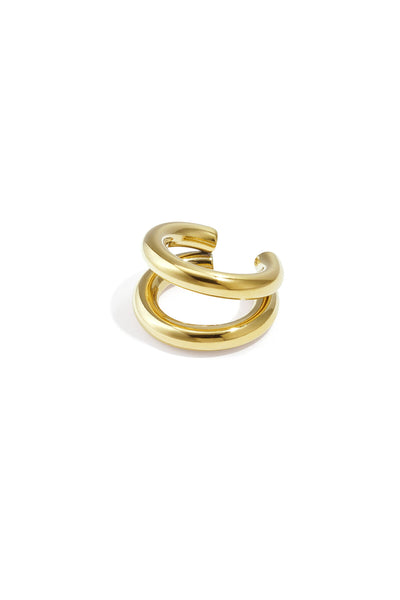 Stainless Steel Grooved Ear Cuff
 Gold and silver stainless steel hoop earrings, model 4
€35,95
 Gold and silver stainless steel cross stud earrings with crystal stones
€28,95
 Gold-tone stainless steel star pendant necklace with zirconia
€31,95
 Gold and silver stainless steel letter pendant necklace
€33,95
 Long gold stainless steel cross necklace
€39,95
 Gold seashell drop earrings made of stainless steel, model 2
€31,95