Freshly Pierced Ears: What Jewelry is Right Now?

Briefly answered: Freshly pierced earlobes take 6–8 weeks before the initial earring can be changed – for cartilage (helix & co.) it's more like 3–6 months. After that, low-nickel materials like surgical steel (316L stainless steel) or titanium are the safest choice, as the piercing channel remains sensitive for months.
Note: This article does not replace individual advice. In case of signs of inflammation such as severe redness, throbbing, or pus, consult your piercing studio or a medical professional.
Overview of Healing Phases
| Phase | Period (Earlobe) | What applies |
|---|---|---|
| Fresh | Week 1–2 | Initial earring stays in, clean daily, do not twist |
| Superficially healed | Week 6–8 | First change possible – use light, smooth material |
| Stable | from Month 6–12 | Hoops, dangle earrings, and longer wear without studs also possible |
Which material after the first change?
- 316L Stainless Steel (Surgical Steel): Very low-nickel content, smooth surface, does not react with wound fluid or water – the standard for sensitive ears.
- Titanium: Practically nickel-free and extremely lightweight – first choice for diagnosed nickel allergy.
- Real Gold from 585: Suitable, but expensive – and softer than steel.
- Avoid: Fashion jewelry made of unclear alloys, thinly gold-plated brass, and anything with rough solder joints – these can cause irritation in the still sensitive channel.
The first replacement earrings: What to look for
- Studs before Hoops: Small stud earrings with a smooth post put the least stress on the fresh channel.
- Post thickness: Standard is 0.8–1 mm – thinner posts can "cut" into the freshly healed channel.
- Clasp: Do not push butterfly clasps too tight – the lobe needs air.
- At night: In the first six months, leave studs in if possible, otherwise the channel can narrow.
Care Basics (and the 3 most common mistakes)
Clean the area twice daily in the first few weeks with sterile saline solution or a product recommended by the studio. Avoid these mistakes:
- Twisting the stud: Outdated – this repeatedly tears healing tissue.
- Alcohol & Hydrogen Peroxide: Too aggressive, dries out the wound and delays healing.
- Changing too early: The channel may look healed on the outside, but is still open on the inside – stick to the 6–8 weeks.
And after that: comfortable everyday wear
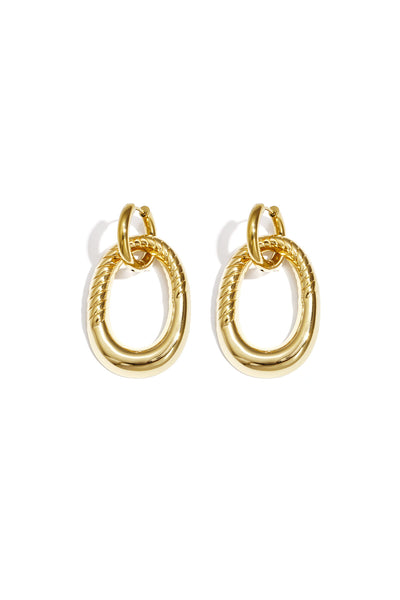
Once your ear piercings are stably healed, you'll want earrings you don't have to constantly remove. Corelune stud earrings and hoops made of skin-friendly stainless steel are waterproof and tarnish-free – showering, sports, and sleeping (with small studs) are no problem.
At Corelune Jewellery, you'll find waterproof, tarnish-free, and skin-friendly stainless steel jewelry for everyday wear – with a 14-day return policy and shipping from Germany (free for orders over €59). Discover the collection now.
Frequently Asked Questions
When can I change the initial earrings?
For earlobes, after at least 6–8 weeks; for cartilage, after 3–6 months. When in doubt, wait an extra week – changing too early is the most common reason for inflammation.
Which earrings for freshly pierced ears?
Small, light stud earrings made of 316L stainless steel or titanium with a smooth post (0.8–1 mm). No heavy dangle earrings or fashion jewelry made of unclear alloys in the first year.
Can I shower with fresh ear piercings?
Yes – clear water does no harm. Rinse off shampoo residue and then carefully pat the lobe dry. Avoid swimming pools and lakes for the first 2–4 weeks.
How do I recognize a nickel allergy in the ear?
Typical symptoms are itching, redness, and weeping blisters exactly at the contact point, often hours to days after wearing. Then switch to titanium or low-nickel stainless steel and consult a medical professional.